
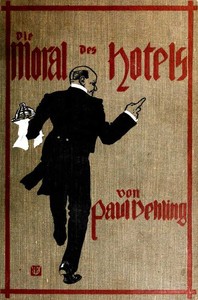
Die Moral des Hotels: Tischgespräche by Paul Vehling
Paul Vehling's Die Moral des Hotels: Tischgespräche is a unique snapshot of early 20th-century society, framed by the walls of a bustling hotel dining room. First published in 1913, it presents itself not as a traditional story, but as a series of overheard dialogues.
The Story
The book has no main character. Instead, the hotel itself is the main character. Vehling positions us at various tables, letting us listen in on the guests. We hear traveling salesmen boast about deals, watch nervous couples on possibly illicit rendezvous, and listen to elderly patrons debate politics and morality. A family might bicker about money at one table, while at another, two strangers bond over shared loneliness. The "plot" is the cumulative effect of these snippets. We see patterns emerge—the performative nature of public life, the fleeting intimacy between strangers, and the stark contrast between people's polished appearances and their unguarded words.
Why You Should Read It
What struck me most was how modern it feels. The technology and fashion have changed, but the human behavior hasn't. The anxiety of being seen, the joy of anonymous confession, the subtle class judgments—it’s all here. Vehling has a sharp ear for dialogue and a gentle, often humorous, irony. He doesn't judge his subjects harshly; he simply presents them, allowing us to draw our own conclusions about their 'morality.' Reading it feels like solving a delightful puzzle. You piece together who these people might be from fragments of conversation, which is a deeply satisfying and engaging exercise. It’s less about a dramatic climax and more about the quiet revelation that people have always been complicated, performative, and fascinating.
Final Verdict
This book is perfect for readers who enjoy character studies, social history, and unconventional narratives. If you're a fan of shows or books built around ensemble casts in a single location (like a grand hotel!), you'll feel right at home. It’s also a gem for writers looking to study authentic, character-revealing dialogue. While it’s a historical document, its insight into human nature is timeless. Don't go in expecting a driving plot; go in ready to people-watch through the pages. A truly charming and insightful read for anyone curious about the stories happening at the next table over.
There are no legal restrictions on this material. Access is open to everyone around the world.
Sandra Wright
1 year agoComprehensive and well-researched.
Ava Brown
1 year agoThis is one of those stories where the character development leaves a lasting impact. Don't hesitate to start reading.
Elijah Sanchez
2 months agoFive stars!
Brian Harris
11 months agoGreat digital experience compared to other versions.





Linda Harris
1 year agoMy first impression was quite positive because the visual layout and supporting data make the reading experience very smooth. It cleared up a lot of the confusion I had previously.