
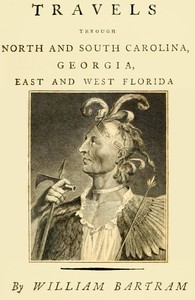
Travels Through North and South Carolina, Georgia, East and West Florida, the…
Forget your passport. William Bartram's book is a ticket to the 18th-century American frontier, a place of raw, breathtaking, and often dangerous beauty. Published in 1791, it chronicles his four-year journey from 1773 to 1777. He wasn't a conqueror or a settler, but a botanist and observer, sent by a patron to catalog the plant life of the colonies. What he brought back was so much more: a vivid, firsthand account of ecosystems and cultures on the brink of monumental change.
The Story
There's no traditional plot, but there is a clear journey. We follow Bartram as he paddles up rivers, hikes through uncharted forests, and camps in swamps. He describes everything with a scientist's eye and a poet's heart—the staggering height of a cypress tree, the explosive bloom of a new flower, the terrifying spectacle of a river 'paved' with alligators. The story is in his encounters: sharing a meal with a Creek chief, trading with Seminole villagers, and surviving storms, insects, and the sheer isolation of the wilderness. The land itself is the main character, and we see it through his fascinated, and sometimes frightened, gaze.
Why You Should Read It
This book is a time capsule. It captures a moment when these vast Southern landscapes were still largely governed by their original ecological rhythms and Native American nations. Bartram's writing pulls you in. You feel the humidity, smell the pluff mud, and jump at the sudden roar of a bull alligator. His sense of awe is contagious. He's not just listing plants; he's showing us a complex, interconnected world. Reading it makes you realize how much has been lost, but also how that sense of wild American wonder was born. It’s the foundation for so much nature writing that came after.
Final Verdict
Perfect for history buffs who want to go beyond dates and battles, for nature lovers who enjoy classic outdoor adventure, and for any reader curious about the deep roots of the American South. It's not a fast-paced novel, but a rich, immersive experience. Think of it as the most detailed and adventurous field journal you'll ever read. If you've ever looked at a patch of preserved wilderness and wondered what it was like centuries ago, Bartram is your guide. Just be prepared to want to go for a very long walk in the woods after you finish.
This digital edition is based on a public domain text. It serves as a testament to our shared literary heritage.
James Lopez
9 months agoI found the author's tone to be very professional yet accessible, it manages to maintain a consistent flow even when discussing difficult topics. This should be on the reading list of every serious professional.
Mary Thomas
4 months agoThe information is current and very relevant to today's needs.
Linda Taylor
9 months agoAfter a thorough walkthrough of the table of contents, the language used is precise without being overly academic or confusing. I appreciate the effort that went into this curation.
Mary Lopez
2 months agoThis digital copy caught my eye due to its reputation, the argument presented in the middle section is particularly compelling. It definitely lives up to the reputation of the publisher.






David Brown
1 month agoHaving read the author's previous works, the transition between theoretical knowledge and practical application is seamless. A solid investment for anyone's personal development.