
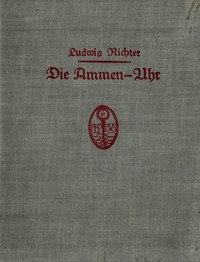
Die Ammen-Uhr: Aus des Knaben Wunderhorn by Arnim and Brentano
Let's set the scene. It's the early 19th century, and Germany is changing fast. Two friends, Achim von Arnim and Clemens Brentano, get an idea. They're worried that all the old songs, poems, and stories people tell each other—the stuff passed down by word of mouth for generations—are about to disappear. So, they start collecting them from all over. Des Knaben Wunderhorn (The Boy's Magic Horn) was their famous collection of folk poetry. Die Ammen-Uhr (The Nurses' Clock) is a sort of companion piece, a frame narrative they created to house some of these found treasures.
The Story
There isn't one single plot, like in a novel. Instead, think of it as a story *about* stories. The frame is simple: travelers sheltering at an inn decide to tell tales to mark the hours of the night, like a clock for nurses keeping watch. Each "hour" brings a new voice and a new piece of folklore. You might get a heartbreaking love ballad, a funny trickster tale about Till Eulenspiegel, a chilling ghost story, or a solemn religious legend. The characters are the storytellers and the archetypes from the tales themselves—knights, maidens, spirits, and everyday folk. The journey is through the landscape of the German imagination before it was standardized by print.
Why You Should Read It
Reading this isn't about racing to a conclusion. It's about atmosphere and discovery. You feel like an archaeologist of culture, brushing the dirt off something fragile and old. The themes are timeless—love, death, mischief, faith, and fear. What grabbed me was the raw, unfiltered quality. These aren't polished literary stories; they have rough edges, sudden twists, and a stark emotional honesty. You see the roots of later German Romanticism and even the Brothers Grimm fairy tales here. It’s a direct line to what regular people found entertaining, comforting, or terrifying 200+ years ago.
Final Verdict
This is a niche but rewarding pick. It's perfect for folklore enthusiasts, history nerds who like social history, and readers who enjoy short story collections with a strong, unifying mood. If you loved the original, darker Brothers Grimm tales or the wandering frame of The Canterbury Tales, you'll find a lot to enjoy here. A fair warning: it's not a light, modern read. The language is of its time, and the pacing is deliberate. But if you're in the right frame of mind to listen by the fictional fireside, Die Ammen-Uhr offers a uniquely haunting and authentic glimpse into a world we've nearly lost.
This title is part of the public domain archive. Feel free to use it for personal or commercial purposes.
Carol Johnson
1 year agoGood quality content.
Steven Ramirez
7 months agoAmazing book.
Andrew Smith
6 months agoThis book was worth my time since it challenges the reader's perspective in an intellectual way. I would gladly recommend this title.


Charles Johnson
1 year agoI started reading out of curiosity and the content flows smoothly from one chapter to the next. Definitely a 5-star read.